

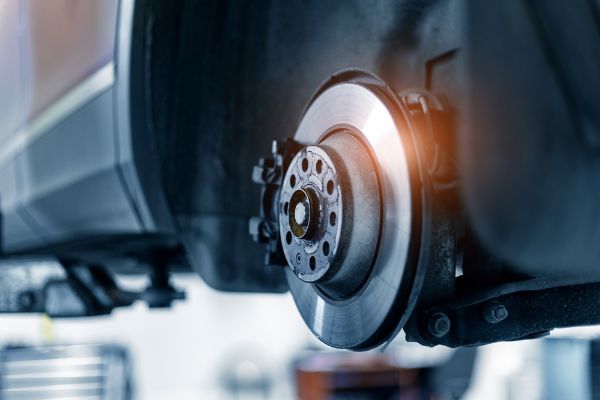
Your vehicle's braking system is one of its most important safety features. It allows you to slow down, stop safely, and maintain control in changing driving conditions. Because brakes experience regular wear and tear, keeping them properly maintained is essential to your vehicle's safety and performance.
Unfortunately, brake problems don't always develop suddenly. In many cases, your vehicle will show warning signs that indicate something isn't working correctly. Recognizing these symptoms early can help prevent additional damage, avoid expensive repairs, and reduce the risk of unsafe driving conditions.
Whether you're hearing unusual noises when braking, experiencing vibrations, or noticing that your vehicle takes longer to stop, understanding common brake problems can help you determine when professional brake repair is necessary.
Common Signs Your Vehicle Needs Brake Repair
Your braking system consists of several components that work together to provide reliable stopping power. When one or more of these components begins to wear out or malfunction, you may notice changes in how your vehicle responds when applying the brakes.
Here are some common warning signs that your brakes may need professional attention.
1. Squealing, Grinding, or Unusual Brake Noises
One of the most recognizable signs of a brake problem is unusual noise when applying the brake pedal.
Different sounds can indicate different issues:
- Squealing: High-pitched squealing may indicate worn brake pads. Some brake pads also have built-in wear indicators designed to produce noise when replacement is needed.
- Grinding: A grinding noise can indicate that brake pads are excessively worn, allowing metal components to make contact with the brake rotor.
- Clicking or Rattling: Loose or damaged brake hardware, improperly secured components, or other mechanical issues may cause clicking or rattling sounds.
While occasional brake noise can occur under certain conditions, persistent or worsening sounds should never be ignored. Continuing to drive with worn brake pads can damage other braking components and increase repair costs.
2. Vibrations When Applying the Brakes
If your steering wheel, brake pedal, or vehicle begins vibrating when you apply the brakes, there may be an issue with your braking system.
One possible cause is uneven brake rotor surfaces or rotor thickness variations, which can create pulsation during braking. Worn suspension components or other mechanical problems may also contribute to vibrations.
A professional brake inspection can help determine whether your vehicle needs rotor resurfacing, replacement, brake pad replacement, or additional repairs.
3. A Soft or Spongy Brake Pedal
Your brake pedal should feel firm and respond consistently when pressed. If it suddenly feels soft, spongy, or sinks closer to the floor than usual, there may be a problem with your hydraulic braking system.
Potential causes include:
- Air trapped in the brake lines
- Low brake fluid levels
- A brake fluid leak
- A failing master cylinder
- Damaged brake lines or hoses
Because these issues can affect your vehicle's stopping ability, a soft or sinking brake pedal should be treated as a serious safety concern. Avoid driving the vehicle until it has been inspected.
4. Your Vehicle Pulls to One Side When Braking
If your vehicle pulls left or right when you apply the brakes, it may indicate uneven braking force between the wheels.
Some potential causes include a sticking brake caliper, unevenly worn brake pads, contaminated braking components, or problems within the hydraulic system.
In some cases, suspension or alignment issues can also contribute to pulling sensations.
A qualified auto repair technician can inspect the braking system and determine why your vehicle isn't stopping evenly.
5. Increased Stopping Distance
Have you noticed that your vehicle takes longer to come to a complete stop?
Increased stopping distance can indicate reduced braking performance. This may be caused by worn brake pads, damaged rotors, contaminated brake fluid, overheated braking components, or problems with the hydraulic system.
Weather conditions, tire condition, vehicle weight, and road surfaces can also affect stopping distance.
If your brakes aren't responding as they normally should, schedule a brake inspection as soon as possible. Reduced stopping power can make it difficult to react safely to sudden traffic changes or unexpected obstacles.
6. Brake Warning Light on Your Dashboard
Your vehicle's dashboard warning lights provide important information about its operating condition.
If the brake warning light illuminates, it may indicate:
- Low brake fluid levels
- A problem with the parking brake system
- A hydraulic braking system issue
- A malfunction within the brake system
Some vehicles also have an ABS (Anti-lock Braking System) warning light. If this light remains illuminated, it may indicate a problem with the anti-lock braking system, which helps prevent wheel lockup during hard braking.
Dashboard warning lights should never be ignored. Have your vehicle inspected to identify the cause and determine whether brake repair is necessary.
What Causes Brake Problems?
Brake components experience friction every time you slow down or stop your vehicle. Over time, this repeated friction naturally causes wear.
However, several factors can accelerate brake deterioration or contribute to premature brake system failure.
Normal Wear and Tear: Brake pads and rotors gradually wear down through regular use. Driving habits, traffic conditions, and vehicle weight can all influence how quickly these components need replacement.
Excessive Heat: Frequent hard braking, driving in mountainous areas, or carrying heavy loads can generate excessive heat. Over time, high temperatures can affect brake performance and accelerate component wear.
Corrosion and Moisture: Exposure to moisture, road salt, and environmental contaminants can contribute to corrosion on brake components, particularly in areas with harsh winter conditions.
Brake Fluid Contamination: Brake fluid absorbs moisture over time. Excessive moisture can reduce its effectiveness and contribute to corrosion within the hydraulic braking system.
Damaged or Sticking Components: Brake calipers, hoses, lines, and other components can wear out or become damaged. A sticking caliper, for example, can cause uneven brake pad wear and excessive heat.
Understanding these common causes can help vehicle owners recognize the importance of routine brake inspections and preventative maintenance.
How Often Should You Have Your Brakes Inspected?
There isn't one universal replacement schedule for every braking system. Brake pad and rotor lifespan can vary depending on driving habits, vehicle type, road conditions, and the quality of the components being used.
As a general guideline, it's a good idea to have your brakes inspected during routine maintenance visits and whenever you notice changes in braking performance.
Regular brake inspections allow technicians to evaluate important components, including:
- Brake pad thickness and wear patterns
- Brake rotor condition and thickness
- Brake calipers and mounting hardware
- Brake lines and hoses
- Brake fluid condition and levels
- Parking brake operation
Identifying worn or damaged components early can help prevent additional damage and maintain reliable stopping performance.
Can Brake Problems Be Prevented?
Although normal wear is unavoidable, proper vehicle maintenance can help extend the life of your braking system and reduce the likelihood of unexpected repairs.
Consider these preventative maintenance practices:
- Schedule Routine Brake Inspections: Have your braking system evaluated regularly to identify worn pads, damaged rotors, and other developing problems.
- Avoid Excessive Hard Braking: Whenever possible, maintain a safe following distance and slow down gradually to reduce unnecessary brake wear.
- Monitor Brake Fluid: Check brake fluid levels and follow your manufacturer's recommended maintenance intervals for fluid replacement.
- Address Unusual Noises Promptly: Squealing, grinding, or clicking sounds can indicate developing brake problems that should be inspected.
- Pay Attention to Performance Changes: If your vehicle pulls to one side, vibrates, or takes longer to stop, schedule a professional inspection.
Preventative brake maintenance is an important part of keeping your vehicle safe and road-ready.
When Should You Schedule Professional Brake Repair?
Brake problems should never be treated as minor inconveniences. Even relatively small issues can affect your vehicle's ability to stop safely, particularly when driving in heavy traffic or emergency situations.
If you're experiencing grinding noises, a soft brake pedal, dashboard warning lights, unusual vibrations, or reduced stopping power, it's important to have your braking system inspected by a qualified auto repair technician at Triton Auto Care in Las Vegas.
Depending on the findings, professional brake repair may involve replacing brake pads, servicing or replacing rotors, repairing brake calipers, addressing hydraulic system problems, or performing a brake fluid service.
If your brake pedal sinks toward the floor, you experience a significant loss of braking ability, or you suspect a brake fluid leak, do not continue driving. Arrange for professional assistance at Triton Auto Care instead.
Protect Your Vehicle with Professional Brake Repair
Your braking system plays a critical role in protecting you, your passengers, and everyone else on the road. Recognizing the warning signs of brake problems and addressing them early can help maintain reliable stopping performance and prevent more extensive repairs.
Whether your vehicle needs new brake pads, rotor replacement, brake fluid service, or a complete brake system inspection, professional service can help identify potential problems and restore proper braking performance.
Don't wait until a minor brake issue becomes a serious safety concern. Contact our team at (702) 780-8770 today to schedule a brake inspection and get the dependable brake repair services your vehicle needs.